The Most Effective CRM Platforms for the Healthcare Sector in Pennsylvania: Simplify Your Operations
In the rapidly evolving healthcare landscape, effective management of patient relationships is crucial for success. For healthcare providers in Pennsylvania, implementing a robust Customer Relationship Management (CRM) system can streamline operations, enhance patient engagement, and improve overall care quality. This article explores the most effective CRM platforms tailored for the healthcare sector in Pennsylvania, detailing their features, benefits, and how they can help organizations simplify their operations.
Understanding CRM Software in Healthcare
What is CRM Software?
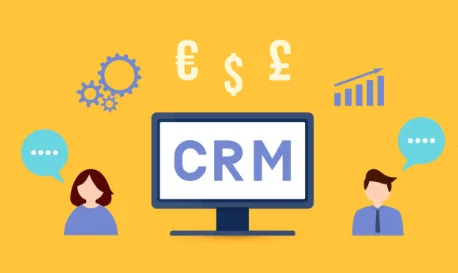
Customer Relationship Management (CRM) software is a technology solution designed to help businesses manage their interactions with customers and potential clients. In the context of healthcare, CRM systems enable providers to organize patient data, track interactions, and facilitate communication among healthcare teams.
Importance of CRM in Healthcare
For healthcare organizations in Pennsylvania, effective CRM implementation is crucial for several reasons:
- Enhanced Patient Engagement: A well-implemented CRM system allows healthcare providers to engage with patients more effectively by providing personalized experiences based on their medical history and preferences.
- Improved Care Coordination: CRM software streamlines communication between various departments and healthcare professionals, ensuring that patient care is cohesive and efficient.
- Data-Driven Decision Making: With access to comprehensive analytics and reporting tools, healthcare organizations can make informed decisions that drive better patient outcomes.
Top CRM Platforms for Healthcare Providers in Pennsylvania
1. Salesforce Health Cloud
Overview
Salesforce Health Cloud is a leading CRM solution specifically designed for the healthcare industry. It provides a comprehensive suite of tools to manage patient relationships effectively.
Key Features
- Patient Management: Centralize patient data for easy access by healthcare providers.
- Care Coordination: Facilitate seamless communication among care teams.
- Analytics and Reporting: Gain insights into patient engagement and outcomes.
- Integration Capabilities: Connect with electronic health record (EHR) systems and other healthcare applications.
Benefits
Salesforce Health Cloud enhances patient engagement by providing personalized care plans and proactive outreach. Its robust analytics capabilities allow healthcare organizations to track performance metrics and improve service delivery.
2. HubSpot CRM
Overview
HubSpot CRM is a user-friendly platform that offers a free version with essential features suitable for small to medium-sized healthcare providers. It provides an all-in-one approach to managing patient relationships.
Key Features
- Contact Management: Organize patient profiles with detailed information.
- Email Tracking: Monitor email opens and engagement metrics.
- Sales Pipeline Management: Visualize patient journeys through customizable pipelines.
- Marketing Automation: Create targeted campaigns based on patient data.
Benefits
HubSpot’s intuitive interface makes it easy for healthcare teams to adopt the system quickly. The free version provides ample functionality for startups while offering paid plans with advanced features as they grow.
3. Zoho CRM
Overview
Zoho CRM is a versatile solution that caters to healthcare organizations with its wide range of features and affordable pricing. It emphasizes automation and analytics to enhance customer management.
Key Features
- Lead Management: Capture leads from various sources and track their journey.
- Sales Automation: Automate repetitive tasks such as follow-ups and reminders.
- Analytics and Reporting: Gain insights into sales performance with detailed reports.
- Integration Capabilities: Connect with various third-party applications like Google Workspace and Mailchimp.
Benefits
Zoho CRM’s affordability combined with its extensive feature set makes it an attractive option for healthcare providers looking to optimize their patient management processes without breaking the bank.
4. Microsoft Dynamics 365 for Healthcare
Overview
Microsoft Dynamics 365 offers a suite of applications that combine CRM and ERP capabilities tailored specifically for the healthcare sector. This flexibility makes it suitable for larger healthcare organizations seeking an integrated solution.
Key Features
- Patient Engagement: Enhance communication with patients through personalized outreach.
- Care Coordination Tools: Streamline collaboration among care teams.
- Business Intelligence: Utilize advanced analytics to drive decision-making.
- Integration with Microsoft Products: Seamlessly integrate with existing Microsoft tools like Office 365.
Benefits
Microsoft Dynamics 365 integrates seamlessly with existing Microsoft products, making it an excellent choice for organizations already using Microsoft solutions. Its flexibility allows businesses to customize the platform according to their specific needs.
5. Pipedrive
Overview
Pipedrive is primarily a sales-focused CRM designed to help teams manage their sales pipelines effectively. However, its visual interface can also be adapted for use in healthcare settings, particularly in managing patient interactions.
Key Features
- Visual Pipeline Management: Drag-and-drop interface for managing patient appointments and follow-ups.
- Activity Reminders: Set reminders for follow-ups and important tasks related to patient care.
Benefits
Pipedrive’s focus on pipeline management makes it an excellent choice for healthcare providers looking to improve their efficiency without overwhelming complexity.
6. Freshsales
Overview
Freshsales is a user-friendly CRM solution designed specifically for sales teams within businesses, including those in the healthcare sector. It offers a range of features to help manage customer interactions effectively.
Key Features
- Lead Scoring: Prioritize leads based on engagement levels.
- Email Tracking: Monitor email opens and clicks to gauge engagement from patients.
Benefits
Freshsales provides an intuitive interface that simplifies lead management while offering powerful automation tools that help close deals faster—valuable in a competitive healthcare environment.
7. Insightly
Overview
Insightly combines CRM functionality with project management features, making it an excellent choice for service-based businesses in the healthcare sector.
Key Features
- Project Management Tools: Manage projects alongside patient relationships.
Benefits
Insightly’s unique blend of project management capabilities within a CRM framework allows companies to manage both client relationships and project delivery seamlessly.
8. SugarCRM
Overview
SugarCRM offers both cloud-based and on-premise solutions catering to businesses requiring greater control over their data infrastructure.
Key Features
- Highly Customizable Interface: Tailor the system according to specific workflows.
Benefits
SugarCRM’s emphasis on flexibility allows organizations in Pennsylvania to adapt the platform according to evolving business needs while benefiting from robust automation capabilities.
9. Nutshell
Overview
Nutshell is designed specifically for small businesses, including those in the healthcare sector, looking for an easy-to-use yet powerful CRM solution.
Key Features
- Lead Management: Track leads through every stage of the sales process.
Benefits
Nutshell’s focus on simplicity while providing essential functionalities makes it ideal for smaller practices or clinics that need effective solutions without complexity.
10. Jaldee Health
Overview
Jaldee Health specializes in providing comprehensive digital solutions tailored specifically towards healthcare organizations’ needs—from appointment scheduling through billing processes all integrated into one platform!
Key Features
- Patient Records Management: Maintain detailed records of all interactions with patients easily accessible by authorized personnel only!
Benefits
Jaldee Health ensures that every interaction is documented efficiently enhancing both operational efficiency & quality care delivery!
Best Practices for Implementing CRM Solutions in Healthcare
When selecting a CRM solution for your healthcare organization in Pennsylvania, consider these best practices:
1. Define Clear Objectives
Before implementing a new CRM system, clearly outline your goals for using the software. Whether you aim to improve lead generation or enhance patient satisfaction scores, having defined objectives will guide your efforts.
2. Involve Key Stakeholders
Engage key stakeholders from various departments—such as clinical staff, administration, marketing—during the implementation process so that their input ensures that all needs are met!
3. Provide Comprehensive Training
Invest in training sessions tailored specifically towards employees who will be using this new system regularly! Comprehensive training ensures everyone understands how best utilize available features effectively driving adoption across your organization!
4. Monitor Performance Metrics
After implementing your chosen platform regularly monitor performance metrics related directly back towards desired outcomes established earlier; analyzing these metrics helps identify areas needing improvement while ensuring objectives are being met consistently over time!
Conclusion
In conclusion implementing effective Customer Relationship Management (CRM) platforms within Pennsylvania’s dynamic health care environment can significantly enhance operational efficiencies & improve overall quality delivered towards patients! Each option discussed—Salesforce Health Cloud HubSpot Zoho Microsoft Dynamics Pipedrive Freshsales Insightly SugarCRM Nutshell Jaldee Health—offers unique features tailored perfectly suited according individual needs!By understanding what each option brings table along following best practices outlined above—such identifying specific requirements evaluating user experience considering scalability checking integration capabilities reading reviews—you’ll be able make informed decisions leading successful implementation maximizing investment made into chosen solutions ultimately driving growth success long term!For additional information about selecting suitable tools tailored specifically towards improving customer relationship management consider exploring resources like Healthcare CRM Solutions.
Written by Domingo Hernández
Related Posts

0
Desbloquea todo
el contenido
Verás un breve anuncio para continuar.